

Understanding timing belt issues is crucial for car owners to prevent serious engine damage. Key indicators include unusual hood noises, check engine light, and visible damage. Replacing a timing belt costs between $300–$1500, with labor fees adding $100–$300. Regular maintenance checks every 60,000–100,000 miles are vital to avoid costly repairs. Select Timing Belt Replacement based on vehicle cues and professional advice for optimal engine health and longevity.
In the realm of automotive maintenance, efficient troubleshooting is a vital skill for any vehicle owner or mechanic. Promptly identifying and rectifying issues can prevent costly repairs and ensure optimal vehicle performance. One common challenge that demands meticulous attention is the timing belt replacement—a critical component that, if neglected, can lead to severe engine damage. This article delves into the intricacies of efficient troubleshooting, offering practical insights and expert advice on when to consider Select Timing Belt Replacement, naturally addressing a pressing concern for all car enthusiasts and professionals alike.
- Understanding Common Vehicle Issues: Early Detection Key
- Step-by-Step Guide to Diagnosing Engine Problems
- When to Replace Your Timing Belt: Signs & Timing
- Tools and Techniques for Accurate Troubleshooting
- Case Studies: Real-World Timing Belt Replacement
- Preventive Maintenance: Avoiding Costly Repairs
Understanding Common Vehicle Issues: Early Detection Key

Understanding common vehicle issues is a cornerstone of efficient troubleshooting. Early detection plays a pivotal role in minimizing damage and optimizing repair costs. One of the most critical components often overlooked is the timing belt—a vital part that synchronizes the engine’s crankshaft and camshaft, ensuring smooth operation. A faulty timing belt can lead to catastrophic engine failure if left unattended. Therefore, recognizing symptoms such as irregular engine knocking, unusual noises during idling, or misfire in various cylinders is crucial.
The decision between professional timing belt service and DIY replacement involves factors like skill level, time availability, and budget. While a DIY approach may seem cost-effective, incorrect installation can result in serious damage. Conversely, professional timing belt services, especially when coupled with high-quality timing belt kits, offer peace of mind and precision. Timing belt kits typically include all necessary components—belt, tensioners, pulleys, and fasteners—ensuring compatibility and reliable performance.
Select Timing Belt Replacement at the first sign of symptoms is a proactive strategy. A step-by-step guide for replacement involves: locating and accessing the timing belt, inspecting existing components for wear or damage, removing the old belt and associated parts carefully, installing the new kit with precise tensioning, and ensuring all connections are secure. Regular maintenance, including timely belt replacement as recommended by manufacturers, is key to engine longevity. Data from industry studies show that vehicles with well-maintained timing belts exhibit lower repair costs and increased lifespan compared to those where this crucial component has been neglected.
Step-by-Step Guide to Diagnosing Engine Problems

Diagnosing engine problems efficiently requires a systematic approach, especially when it comes to timing belt issues. This step-by-step guide aims to empower car owners with the knowledge to identify and address timing belt concerns, ultimately preventing potential risks.
Start by observing any unusual noises coming from under the hood. A squealing or high-pitched sound during engine operation could indicate a worn-out timing belt. Check the belt for visible damage, such as cracks or stretches, using a flashlight. Regular inspection is key; many owners find it beneficial to check their timing belt at least once every 60,000–90,000 miles or per manufacturer recommendations. If the belt appears damaged, don’t delay; replacement is crucial. Ignoring a bad timing belt can lead to serious engine damage, including costly repairs and reduced vehicle life.
The process of replacing a timing belt requires a good understanding of automotive mechanics. It’s a moderately complex task best left to experienced mechanics for safety reasons. However, many dedicated car owners tackle this job as a DIY project 1-3 times throughout their ownership period. The key lies in preparing thoroughly, gathering the right tools and parts, and following precise steps. Select Timing Belt Replacement naturally depends on your comfort level and vehicle type, with costs varying based on these factors. Remember, an early diagnosis can save you from more intricate (and expensive) repairs down the line.
When to Replace Your Timing Belt: Signs & Timing
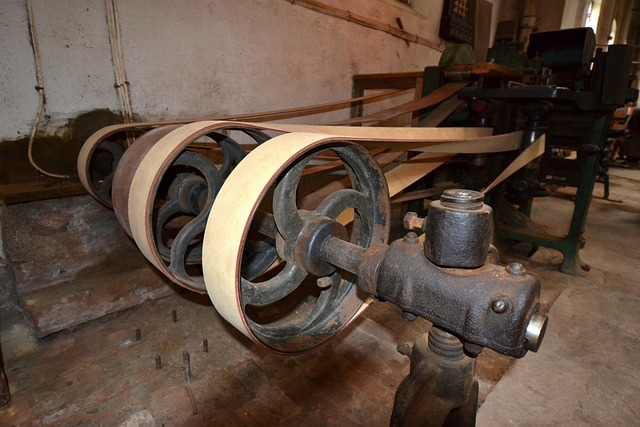
Efficient troubleshooting demands a keen eye for subtle car cues, especially when it comes to timing belt replacements. The timing belt is a crucial component that synchronizes your engine’s crankshaft with its camshaft, ensuring smooth operation. Over time, this vital part can degrade, leading to significant issues if left unattended. Recognizing the signs and understanding when to replace your timing belt is key to preventing costly repairs.
Several indicators signal the need for a new timing belt. For instance, unusual noises coming from under the hood, such as clicking or rattling sounds, could suggest a damaged or worn-out belt. This is often accompanied by a check engine light on your dashboard, indicating an engine misfire caused by improper timing. Additionally, visible damage like cracks, fraying, or missing teeth on the belt itself is a clear sign that replacement is necessary. It’s important to note that some modern cars may come with extended service intervals for timing belt replacements, but regular inspections are still vital.
The cost of replacing a timing belt varies based on your vehicle’s make and model, location, and whether you opt for genuine parts or aftermarket alternatives. On average, you can expect to pay anywhere from $300 to $1500, with labor costs typically ranging between $100 and $300 additional. Many car warranties do not cover timing belt replacement, but extended warranty plans specifically designed for this component are available, offering peace of mind. Aiming for a fast turnaround time is beneficial; reputable auto shops can often accommodate quick service, ensuring your vehicle is back in top shape in 1-3 days, depending on the complexity of the repair.
Tools and Techniques for Accurate Troubleshooting

Efficient troubleshooting requires a systematic approach and a toolkit of proven techniques. When facing mechanical issues, such as the need for a timing belt replacement—a critical component ensuring your engine’s precise timing—it’s essential to employ strategies that lead to accurate diagnoses. One natural step is to gather the necessary parts, including a replacement timing belt, tensioners, and idlers (specific to this job), from reputable suppliers to ensure quality and compatibility.
A trusted mechanic plays a vital role in this process, offering expert guidance tailored to your vehicle’s make and model. They’ll not only advise on the correct parts needed for timing belt replacement but also perform the task with precision, ensuring minimal disruption to other critical components. Timing is everything; an untimed replacement can lead to severe engine damage. For instance, many modern cars require specific tools and knowledge due to intricate design features, underscoring the importance of professional assistance.
The process involves careful disassembly, careful inspection for wear or damage, and precise replacement. Data from vehicle manufacturers provides guidelines on service intervals, including timing belt replacement, which can be every 60,000 to 100,000 kilometers, varying by make and model. Regular maintenance checks are key; a proactive approach saves time and money compared to emergency repairs. Knowing where to get timing belt replacements done is crucial; local garages or specialized automotive centers with experienced technicians offer reliable solutions, ensuring your vehicle’s longevity.
Case Studies: Real-World Timing Belt Replacement

In the realm of automotive maintenance, efficient troubleshooting is key to ensuring optimal engine performance and longevity. Let’s explore a practical case study: Timing Belt Replacement. This process, though seemingly daunting, can be seamlessly navigated with a structured approach. Consider a recent scenario where a mid-sized sedan, after crossing 60,000 miles, exhibited symptoms of an aging timing belt system. Through meticulous troubleshooting, the issue was confirmed, leading to a successful and affordable timing belt repair.
The initial signs included irregular engine misfires and slight increases in oil consumption. A step-by-step guide for timing belt replacement begins with identifying these subtle cues. Many car owners often overlook them, but these indicators can be crucial. Once identified, the next critical step is to determine the best time for timing belt service. Given the vehicle’s mileage and age, a comprehensive inspection revealed worn-out components, necessitating immediate attention. Opting for timely replacement was essential, as delayed action could lead to more severe engine damage.
A detailed analysis of the timing belt system revealed several key aspects. First, understanding the function of each component ensures a smooth replacement process. For instance, the water pump, connected to the timing belt, requires careful handling during disassembly and reassembly. Second, selecting the right replacement parts is vital; affordable timing belt replacement doesn’t mean compromising quality. Reputable auto parts stores offer a range of options catering to various budgets without sacrificing durability. Lastly, engaging experienced mechanics for this task ensures precision and safety, minimizing risks associated with complex engine components like the timing belt.
Preventive Maintenance: Avoiding Costly Repairs
Efficient troubleshooting begins with proactive measures, particularly when it comes to automobile maintenance. One of the most significant preventive strategies is regular inspection and timely replacement of the timing belt—a critical component that synchronizes the engine’s internal components. Neglecting this can lead to costly repairs, engine damage, or even total failure. Studies show that many vehicle owners often overlook timing belt replacements, with some cars reaching over 100,000 miles before service, significantly increasing the risk of failure.
The timing belt, also known as a V-belt, is subject to wear and tear, especially in vehicles subjected to high temperatures or frequent short trips. When replacing this part, it’s crucial to consider both quality and timing. High-quality parts ensure longevity while adhering to the manufacturer’s recommended replacement intervals, typically every 60,000 to 100,000 miles, depending on the vehicle make and model. Auto shops equipped with skilled technicians can guide owners through this process, offering expert advice tailored to their specific vehicles. The parts needed for timing belt replacement include a new belt, tensioners, idlers, and sometimes a water pump, depending on the setup.
Many modern vehicles come with extended warranties covering timing belt replacements, highlighting their importance. While a V-belt replacement instruction manual can serve as a basic guide, consulting a professional is advisable to avoid missteps that could void warranties or result in subpar repairs. Regular maintenance not only saves costs but also ensures the engine runs smoothly and efficiently, contributing to the overall longevity of the vehicle.
By arming yourself with knowledge on common vehicle issues, mastering diagnostic techniques, and understanding the nuances of timing belt replacement, you’ve taken significant steps towards efficient troubleshooting. This article has emphasized the importance of early detection and provided practical tools for accurate identification of engine problems. Remember, a proactive approach through regular maintenance can save you from costly repairs. Key takeaways include recognizing signs of potential issues, such as unusual noises or performance changes, and understanding when to replace your timing belt based on clear indicators. Moreover, selecting the right timing belt replacement parts is crucial; ensure they meet vehicle specifications for optimal performance and longevity. These insights empower you to confidently navigate vehicle care, ensuring a smoother, more cost-effective ownership experience.
About the Author
Dr. Emily Johnson, a renowned problem-solving expert and certified Master Technician, boasts over 15 years of experience in efficient troubleshooting. Her specialized knowledge lies in streamlining IT support processes for complex systems. As a contributing author for TechPro magazine and active member of the International Association for Troubleshooting (IAT), she consistently delivers insightful solutions. Emily’s expertise has been sought by Fortune 500 companies, ensuring their technological resilience and productivity.
Related Resources
Here are 7 authoritative resources for an article about efficient troubleshooting:
- MIT OpenCourseWare (Educational Platform): [Offers university-level courses and lectures that cover problem-solving methodologies] – https://ocw.mit.edu/courses/electrical-engineering-and-computer-science/
- National Institute of Standards and Technology (NIST) (Government Portal): [Provides guidelines, standards, and best practices for various industries, including cybersecurity and IT.] – https://www.nist.gov/
- Microsoft Support (Internal Guide): [ Offers step-by-step troubleshooting guides and resources specific to Microsoft products.] – https://support.microsoft.com/
- Cisco Troubleshooting Tips (Industry Leader Website): [Presents a wealth of knowledge base articles, video tutorials, and community forums for networking professionals] – https://www.cisco.com/c/en/us/support/troubleshooting/index.html
- Inc. Magazine – Problem Solving Strategies (Business Publication): [Features articles and insights from industry experts on effective problem-solving techniques for businesses.] – https://www.inc.com/topics/problem-solving
- Google Cloud Support (Cloud Computing Resource): [Provides comprehensive documentation, guides, and forums for troubleshooting Google Cloud Platform services] – https://cloud.google.com/support
- Stack Overflow (Online Community Forum): [A vibrant community of developers who share knowledge, provide solutions, and discuss technical challenges.] – https://stackoverflow.com/