

Understanding your car's timing belt is crucial for engine health. Select Timing Belt Replacement based on vehicle specifics, climate, and driving habits. Regular visual inspections and oil changes prevent failure signs. DIY installation requires tools, knowledge, and safety precautions; professional service offers expertise and guarantees. Choose high-quality kits, consider complex engines' needs, and adhere to replacement intervals for optimal performance and longevity.
In the realm of automotive maintenance, timely attention to a vehicle’s timing belt is paramount to ensure optimal engine performance and longevity. Timing belt failure can lead to catastrophic consequences, making prompt repair or replacement crucial. Recognizing the signs of wear and knowing when to act is essential for every car owner.
This article serves as a comprehensive guide to navigating the intricacies of top-rated timing belt repair, focusing on both practical troubleshooting and the delicate art of Select Timing Belt Replacement. By the end, you’ll be equipped with the knowledge to make informed decisions, ensuring your vehicle’s engine runs smoothly for years to come.
- Understanding Your Car's Timing Belt: Essential Basics
- When to Replace: Recognizing Timing Belt Failure Signs
- Select Timing Belt Replacement: Factors for Smart Decisions
- Step-by-Step Guide: Repairing Your Timing Belt Yourself
- Professional vs DIY: Choosing the Right Approach for You
Understanding Your Car's Timing Belt: Essential Basics

Understanding your car’s timing belt is a crucial aspect of maintaining optimal vehicle performance and longevity. The timing belt, often referred to as the crankshaft pulley belt or camshaft belt, synchronizes the rotation of the engine’s crankshaft with its valve train. This critical component ensures that the valves open and close at precisely the right moments during the combustion cycle, enabling efficient fuel burning and maximizing power output.
Selecting the right timing belt replacement is paramount to ensuring your car’s long-term reliability. Unlike traditional V-belts, timing belts are designed with precision tolerances, making them more durable but also requiring careful consideration when replacing. When deciding between a timing belt and chain drive system, it’s essential to weigh factors such as your vehicle manufacturer’s recommendations, climate conditions, and driving habits. For instance, high-performance vehicles often prefer timing chains due to their superior strength and reduced maintenance needs compared to belts. Conversely, in milder applications, a well-maintained timing belt can last 100,000 miles or more, making it an economical choice for many drivers.
Choosing the right timing belt kit is crucial, as these kits include all necessary components for installation—from the belt itself to tensioners and idlers. Investing in high-quality, manufacturer-approved kits can ensure a precise fit and optimal performance. Moreover, comparing timing belt vs chain belt replacement tools can provide insights into the expertise required for each option. While some DIY enthusiasts may tackle a timing belt replacement with the right set of tools, complex engines might necessitate professional intervention to avoid damage. In any case, selecting long-lasting timing belt solutions and ensuring proper installation through expert guidance or a trusted mechanic is key to maintaining your vehicle’s health over time.
When to Replace: Recognizing Timing Belt Failure Signs

Recognizing when to replace your timing belt is a crucial aspect of vehicle maintenance. Timing belts, which synchronize the rotation of the engine’s crankshaft with the camshaft, are vital for the smooth operation of internal combustion engines. Failure signs can range from subtle indications like unusual noises and vibrations to more dramatic issues such as complete belt breakage or slippage. Regular inspection is key; many modern vehicles have access panels that allow visual checks without removing the belt. However, if you notice persistent noise, especially a high-pitched squealing or whining, it could indicate wear or damage.
Moreover, unexpected engine misfires or reduced performance can be red flags. A timing belt that’s failing may no longer maintain proper timing between the valves and pistons, leading to inefficient combustion and power loss. In severe cases, a failed timing belt can cause catastrophic engine damage. Therefore, if you suspect an issue, consulting a trusted mechanic for a thorough inspection is advisable. They can perform diagnostic tests and, if necessary, recommend replacement, which often involves specialized tools and expertise.
Best practices for timing belt maintenance include regular oil changes to lubricate the belt and keep it flexible, as well as adhering to manufacturer-recommended replacement intervals. Timing belt specialists near me can provide expert advice tailored to your vehicle’s needs. Remember that selecting a timing belt replacement part should be a natural extension of your vehicle’s service history, ensuring compatibility and quality. By staying vigilant for failure signs and following the best practices, you can enhance engine longevity and prevent unexpected breakdowns.
Select Timing Belt Replacement: Factors for Smart Decisions
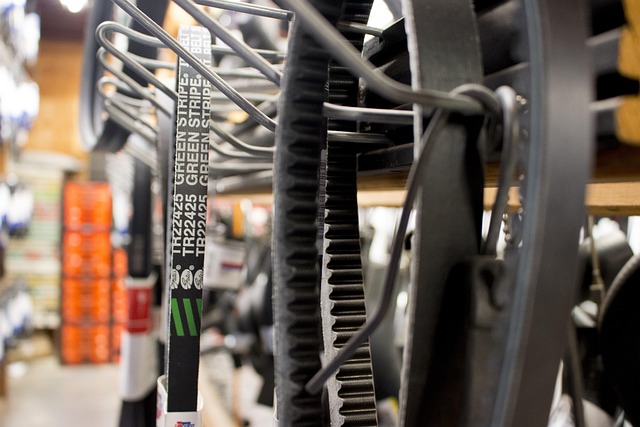
Selecting the right timing belt replacement is a crucial decision for any vehicle owner, as it directly impacts engine performance and longevity. When faced with this choice, several factors come into play. Firstly, understanding your vehicle’s make and model is essential, as different cars require specific belts designed to meet their unique specifications. For instance, high-performance vehicles often demand belting that can withstand greater tension and temperature extremes compared to standard family sedans.
Secondly, considering the condition of the existing belt and its components is paramount. Regular inspection can reveal signs of wear and tear, such as cracks, stretching, or loose pulleys, indicating a need for replacement. Many local auto shops now offer advanced diagnostic tools that can accurately assess the health of your timing belt system, ensuring you replace only what’s necessary. For example, a recent study by the National Institute of Automotive Service Excellence (ASE) found that up to 20% of cars inspected had timing belts past their recommended replacement mileage, highlighting the importance of proactive maintenance.
While some enthusiasts may consider replacing the timing belt themselves, it’s crucial to weigh the benefits against potential risks. For the average driver, seeking emergency timing belt service from reputable local auto shops is a safer bet. Professional technicians have the specialized tools and knowledge required for accurate installations, minimizing the risk of damage or complications. Moreover, these shops often provide guarantees on their work, offering peace of mind. However, if you’re an experienced DIYer with access to quality parts, replacing the timing belt yourself can be a cost-effective solution, especially for vehicles with simpler belt systems.
Step-by-Step Guide: Repairing Your Timing Belt Yourself

Repairing your timing belt yourself can be a cost-effective and empowering experience for any car owner. While it might seem daunting at first, following a step-by-step guide ensures a successful and efficient process. Here’s a breakdown of the key stages involved in repairing and replacing your timing belt.
Start by gathering the necessary tools and materials. A typical timing belt kit includes the replacement belt, tensioners, rollers, and other components specific to your vehicle model. Purchase a high-quality kit from a reputable supplier, ensuring compatibility with your make and year. Always select a timing belt replacement that naturally aligns with your vehicle’s specifications for optimal performance and longevity.
Before you begin, familiarize yourself with the process and safety precautions. Timing belts are crucial for synchronizing your engine’s valves with its pistons. Disrupting this harmony can lead to catastrophic engine damage. Use jack stands and a safe work area to secure your vehicle, ensuring stability throughout the repair. With the right tools and preparation, you’re ready to proceed.
The process involves several steps: identifying and locating the timing belt components, removing the old belt (often with specialized tools), installing the new belt while ensuring proper tensioning, and re-assembling the engine with care. Regular maintenance, including timely belt inspection and replacement, is key to preventing failure. According to industry data, a well-maintained timing belt can last up to 150,000 miles, underscoring the significance of proactive measures.
For those comfortable with DIY projects, do-it-yourself timing belt installation is feasible. However, seeking guidance from an experienced mechanic for your first attempt is advisable. With practice and proper knowledge, you may find yourself becoming more adept at these repairs, saving time, money, and potentially extending the life of your vehicle’s engine.
Professional vs DIY: Choosing the Right Approach for You

Choosing between professional timing belt repair and a DIY approach is a crucial decision that can impact your vehicle’s performance and longevity. While some enthusiasts revel in the satisfaction of self-repair, others recognize the value of expertise and specialized tools. Herein lies the dilemma: when is it best to seek professional help for your timing belt replacement?
Consider factors like turnaround time. A reputable auto shop specializing in timing belts can offer fast service, ensuring your vehicle is promptly restored. These shops invest in high-quality parts and advanced diagnostic equipment, reducing the risk of further damage. For instance, a study by AAA found that professional repairs often result in lower overall costs due to efficient part sourcing and labor rates. When convenience and peace of mind are paramount, entrusting your timing belt replacement to a specialist is a sensible choice.
On the other hand, DIY enthusiasts find allure in the self-reliance of replacing their own timing belts. Online resources and video tutorials provide step-by-step instructions for V-belt replacement, making it seem accessible. However, this approach demands meticulous attention to detail and a comprehensive understanding of your vehicle’s mechanics. Mistakes can lead to costly complications. For instance, incorrect tensioning can cause belt slippage or even failure. If you’re comfortable with complex auto repairs and have the necessary tools, DIY replacement can be a viable option, saving costs associated with shop fees.
Ultimately, the decision depends on your comfort level, budget, and vehicle’s make and model. For those seeking swift turnaround times and expert assurance, consulting a timing belt specialist near you is advisable. Conversely, confident DIYers can opt for select timing belt replacement, but thorough research and preparation are paramount to ensure safety and effectiveness.
By understanding your car’s timing belt, recognizing failure signs, and knowing when to replace it, you empower yourself to make informed decisions. The article has equipped you with essential basics, practical guidelines for replacement, and a step-by-step guide for DIY repairs. When considering Select Timing Belt Replacement, remember factors like cost, skill level, and vehicle specifications. Whether opting for professional services or tackling the job yourself, this comprehensive guide ensures you’re prepared to navigate timing belt maintenance effectively, ultimately safeguarding your vehicle’s performance and longevity.