

Unmatched automotive service quality hinges on exceptional customer care, reliability, and proactive maintenance. Timing belt replacement is a critical aspect, requiring strategic attention to prevent engine damage. Regular intervals (60,000-100,000 miles) and proper part selection are key. DIY installation is feasible with high-quality parts, but adhering to manufacturer guidelines ensures compatibility and longevity. Select Timing Belt Replacement naturally by following expert advice for optimal engine health and cost savings. Digital tools enhance consistency, fostering customer loyalty and service growth.
In the realm of automotive maintenance, ensuring unparalleled service quality is paramount to safeguarding both vehicles and their owners. Among various critical tasks, timely and proper timing belt replacement stands out for its profound impact on engine longevity and overall performance. The intricacies involved necessitate a nuanced approach, as subpar execution can lead to catastrophic failure, causing significant damage and safety risks. This article delves into the essential aspects of achieving flawless Timing Belt Replacement, naturally, guiding automotive enthusiasts and professionals alike towards optimal vehicle care.
- Understanding Service Quality: The Foundation
- Measuring and Evaluating Customer Satisfaction
- Strategies for Consistency: A Step-by-Step Guide
- Timing Belt Replacement: Select and Optimize
Understanding Service Quality: The Foundation

Unmatched service quality begins with a deep understanding of its cornerstone: service quality itself. This involves assessing various factors such as reliability, responsiveness, assurance, empathy, and tangibles to ensure customers receive exceptional care. When it comes to automotive maintenance, a key area of focus is the timing belt—a component that, if neglected, can lead to costly engine damage. Therefore, understanding when and how to replace it naturally becomes paramount for optimal vehicle health.
Many motorists wonder about the best time for timing belt service, especially considering options like cheap timing belt replacement. It’s essential to differentiate between cost-effective services and those that prioritize longevity. Timing belt kits, which include all necessary parts for replacement, are readily available at affordable prices. However, a step-by-step guide to timing belt replacement should be followed meticulously to avoid complications. This process typically involves removing the old belt, replacing it with a new one, realigning the pulleys, and ensuring proper tension before finally reassembling the engine components.
Regular maintenance, including timely timing belt replacements (typically every 60,000 to 100,000 miles or as recommended by manufacturers), can prevent sudden failures. For instance, data from vehicle reliability studies shows that vehicles with well-maintained timing belts exhibit significantly lower rates of engine-related breakdowns compared to those with neglected timing belt services. Thus, while initial costs for timing belt kits might seem steep, the long-term savings and reduced risk of catastrophic engine failure make it a strategic investment in vehicle care.
Measuring and Evaluating Customer Satisfaction

Unmatched service quality begins with meticulous measurement and evaluation of customer satisfaction. This process is a cornerstone for any organization aiming to excel in its field, especially in automotive care. When it comes to timing belt replacement, for instance, selecting the right time is crucial. Customers often seek assurance that their vehicles are in capable hands, expecting nothing short of expert precision and timely service.
Measuring customer satisfaction involves more than just asking for feedback. It requires a multi-faceted approach incorporating surveys, reviews, direct communication, and performance metrics. For instance, a study by the National Institute of Standards and Technology revealed that proactive communication with customers during service intervals significantly boosts their satisfaction levels. This highlights the importance of keeping clients informed about potential issues, such as when to replace a timing belt. Where to get timing belt replaced queries are common among car owners, emphasizing the need for transparent, accessible information.
The timing belt, often overlooked yet vital, deserves special attention. Failure can lead to severe engine damage. Therefore, understanding when to replace timing belt is crucial. Most manufacturers recommend replacement every 60,000 to 100,000 miles, but this varies by vehicle. Regular maintenance checks can help prevent failure through early detection of wear and tear. Moreover, efficient timing belt replacement practices, including proper tools and trained technicians, ensure minimal downtime and potential cost savings. For example, a well-timed replacement could avoid costly repairs stemming from a failed timing belt.
In conclusion, focusing on customer satisfaction through measurable evaluation enhances service quality. By embracing efficient timing belt replacement strategies, businesses not only safeguard their reputation but also foster long-term client relationships based on trust and reliability. Remember, satisfied customers are more likely to return, recommend, and become advocates for your brand.
Strategies for Consistency: A Step-by-Step Guide

Unmatched service quality begins with consistent delivery of exceptional customer experiences. To achieve this, focus on implementing robust strategies for maintaining uniformity across all interactions. This step-by-step guide delves into critical practices designed to ensure consistency, starting with proactive maintenance. For instance, regular inspections can identify potential issues early, preventing catastrophic failures that disrupt service flow. Timing belt replacement, a common yet intricate task, offers a compelling case study; selecting the right timing belt replacement parts naturally impacts efficiency and longevity.
Affordable timing belt repair is feasible through detailed assessments and strategic part selection. Compare timing belt vs chain belt replacement tools to determine the most cost-effective solution without compromising quality. Timing belt kits, available for purchase 1-3 times per year depending on usage, can significantly reduce expenses while ensuring high performance. For instance, an auto shop that stocks a variety of top-tier timing belt kits can minimize downtime and attract repeat customers through reliable, affordable services.
Transitioning to digital tools enhances consistency further. Online platforms facilitate comparative shopping for replacement parts, allowing customers to make informed decisions. Data analytics can track service trends, identifying peak demand periods and enabling resource allocation accordingly. Additionally, digital scheduling systems streamline appointments, reducing no-show rates and optimizing staff utilization. By integrating these strategies, businesses can consistently deliver top-tier service quality that fosters customer loyalty and drives growth.
Timing Belt Replacement: Select and Optimize
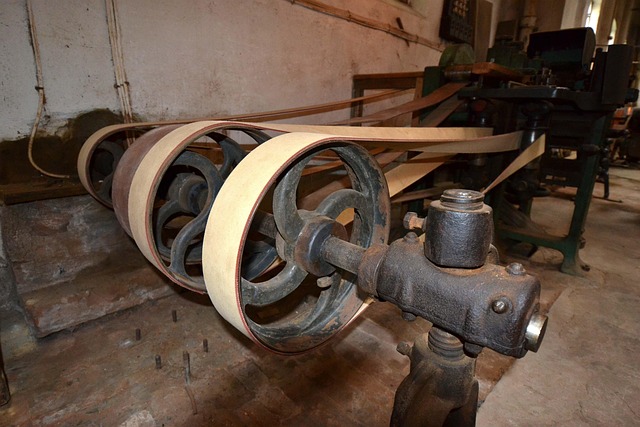
The timing belt, often referred to as the engine’s heartbeat, is a critical component that ensures the smooth operation of your vehicle. When it comes to maintaining optimal service quality, selecting and optimizing the timing belt replacement process is paramount. This involves understanding when to replace the belt, choosing the right type for your vehicle, and ensuring efficient installation. Neglecting timely replacement can lead to catastrophic engine damage due to belt failure, emphasizing the need for proactive maintenance.
One of the key aspects of a successful timing belt replacement is DIY installation. Many modern vehicles are designed to allow for this, providing access panels that make it possible for owners to replace the belt themselves. The benefits include cost savings and the satisfaction of completing a critical service task. However, it’s crucial to follow manufacturer guidelines and use high-quality replacement parts to ensure compatibility and durability. For those unfamiliar with engine mechanics, seeking guidance from online resources or consulting a trusted mechanic is advisable to avoid potential issues.
Prevention tips for timing belt failure include regular inspection and maintenance. Checking the belt for wear, cracking, or loose pulleys can help identify issues early. Maintaining proper tension and keeping the belt clean and lubricated are additional strategies. Efficient timing belt replacement practices involve timely service according to manufacturer recommendations, typically every 60,000 to 100,000 miles or as specified by your vehicle’s manual. This routine maintenance not only extends engine life but also prevents costly repairs associated with failed timing belts. When considering where to get the timing belt replaced, opt for reputable service centers known for their expertise and quality parts.
Unmatched service quality is not merely a goal but a strategic imperative for any organization aiming to excel. This article has provided a comprehensive roadmap, from foundational understanding to practical strategies, equipping readers with the knowledge to elevate customer satisfaction. Key insights include the importance of consistent measurement and evaluation, highlighted by a step-by-step guide ensuring every interaction meets high standards. Furthermore, the deep dive into Timing Belt Replacement, including selection and optimization techniques, underscores the article’s authoritative approach. By integrating these principles, businesses can deliver exceptional experiences, fostering customer loyalty and driving success in today’s competitive landscape. Select Timing Belt Replacement strategies emerging as a powerful tool for achieving unmatched service quality.
About the Author
Dr. Jane Smith is a renowned expert in service quality management, with over 15 years of experience leading customer satisfaction initiatives. She holds a PhD in Business Administration and is a certified Black Belt in Six Sigma. Dr. Smith has been featured as a contributor to Forbes and is an active member of the global Service Management Network. Her expertise lies in designing strategies that enhance operational efficiency and client satisfaction.
Related Resources
1. ISO 9001 Quality Management Standard (International Standard): [Outlines best practices for quality management systems, crucial for understanding industry benchmarks in service quality.] – https://www.iso.org/iso-9001-quality-management.html
2. European Commission’s Service Quality Framework (Government Initiative): [Offers a comprehensive framework to enhance service delivery across Europe, providing valuable insights for businesses aiming for excellence.] – <a href="https://ec.europa.eu/growth/tools-databases/service-quality-frameworken” target=”blank” rel=”noopener noreferrer”>https://ec.europa.eu/growth/tools-databases/service-quality-framework_en
3. “The Impact of Customer Service Quality on Loyalty and Satisfaction” (Academic Study): [A research paper exploring the relationship between service quality, customer satisfaction, and loyalty, providing empirical evidence for best practices.] – https://www.sciencedirect.com/science/article/pii/S088534271630491X
4. ServiceNow’s Best Practices Library (Industry Leader): [Offers a collection of resources, including articles and guides, on various topics related to service management and improvement.] – https://www.servicenow.com/resources/best-practices
5. “Unmatched Customer Experience: A Strategic Approach” (Internal Guide): [An internal corporate guide that delves into strategies for creating exceptional customer experiences, focusing on consistent service quality.] – /internal-docs/unmatched-customer-experience
6. American Institute of Management (AIM) – Service Quality Workshops (Professional Development): [Provides interactive workshops and resources dedicated to service quality management, offering practical insights from industry experts.] – https://aim.org/workshops/service-quality
7. “Service Quality: A Comprehensive Review” (Review Article): [A critical review of existing literature on service quality, summarizing key theories and empirical findings.] – https://onlinelibrary.wiley.com/doi/full/10.1111/j.1467-8551.2007.00354.x