
Selecting Timing Belt Replacement is crucial for engine health. Key indicators include belt damage, vibrations, or performance issues. Manufacturers recommend replacement every 60,000-100,000 miles. Timely maintenance reduces engine failures significantly. Choose high-quality parts, inspect regularly, follow installation guidelines for optimal performance and reliability.
In the realm of automotive maintenance, ensuring optimal engine performance and longevity hinges on timely and proper component replacements. One such critical part, often overlooked yet vital, is the timing belt. A well-maintained timing belt guarantees smooth operation, prevents costly breakdowns, and extends engine life. However, identifying the ideal time for replacement can be challenging due to varying driving conditions and usage patterns. This article provides an authoritative guide on achieving guaranteed results with natural Timing Belt Replacement, ensuring your vehicle’s enduring reliability and peak performance.
- Understanding Timing Belt Importance for Engine Health
- Selecting the Optimal Time for Replacement: Signs to Watch
- Expert Guide: Ensuring Seamless Timing Belt Installation
Understanding Timing Belt Importance for Engine Health

The timing belt, often referred to as the synchronous belt, is a vital component of any internal combustion engine. Its primary role is to synchronize the rotation of the crankshaft with that of the camshaft, ensuring the valves open and close at precisely the right moments. This delicate dance is crucial for the engine’s efficiency and longevity. A faulty or damaged timing belt can lead to catastrophic failure, causing significant damage and costly repairs. Therefore, understanding the importance of timely replacement is paramount for maintaining optimal engine health.
Selecting the right timing belt replacement is a critical step that requires careful consideration. When deciding on a replacement, it’s essential to consult your vehicle’s owner manual or seek advice from automotive experts. The choice should be based on factors like engine type, operating conditions, and desired performance levels. For instance, high-performance engines might require stiffer belts for better stability under extreme conditions. A one-size-fits-all approach can lead to suboptimal results. As such, many vehicle manufacturers now recommend specific timing belt types, emphasizing the need for a tailored solution.
Performing a timing belt replacement yourself is achievable for many car owners, but it demands a systematic approach. Here’s a step-by-step guide: first, locate the timing belt and inspect it for signs of wear or damage. Remove the old belt, being mindful of its orientation to ensure proper alignment during installation. Install the new belt, ensuring it fits securely without excessive play. Double-check all components related to the timing belt system, including tensioners and pulleys, as these must be in good condition and properly lubricated. Finally, restart the engine and verify that all components are functioning correctly, with no unusual noises or vibrations. Regular maintenance, including timely belt replacement, is key to preventing unexpected breakdowns and ensuring your engine runs smoothly for years to come.
Selecting the Optimal Time for Replacement: Signs to Watch

Selecting the optimal time for timing belt replacement is crucial for ensuring guaranteed results in car maintenance. While many owners wait until they hear unusual noises or experience breakdowns, proactive monitoring of specific signs can help identify when a replacement is due. One clear indicator is the appearance of cracks or fraying on the belt itself, which can be easily spotted during regular visual inspections. Additionally, unusual vibrations or a notable decline in engine performance should trigger further investigation. Many modern cars come equipped with sensors that detect belt slippage and send alerts to the dashboard, serving as valuable early warning signs.
For those considering a timing belt kit purchase, understanding the best time for timing belt service is key. The recommended replacement interval varies by vehicle manufacturer, typically ranging from 60,000 to 100,000 miles or every 5-7 years, whichever comes first. However, even with meticulous scheduling, unexpected issues can arise. It’s important to note that timing belt kits themselves have varying quality levels, so choosing a reputable brand known for cheap yet reliable replacements can help manage costs without compromising safety. For instance, according to recent data, timely maintenance involving timing belt replacement can prevent up to 75% of related engine failures, underscoring the significance of scheduled service.
When navigating the signs of bad timing belt car maintenance, timing is indeed everything. Waiting too long can lead to more severe damage and costly repairs. Conversely, scheduling a replacement too early may result in unnecessary expenses. As such, drivers should stay vigilant for symptoms like increased engine noise, oil leaks near the timing cover, or a burning smell. Regular check-ups with a qualified mechanic can also provide valuable insights into the overall health of your vehicle’s engine. Remember, selecting the right timing to replace not only ensures optimal performance but also fosters long-term reliability, making it an essential aspect of responsible car ownership.
Expert Guide: Ensuring Seamless Timing Belt Installation
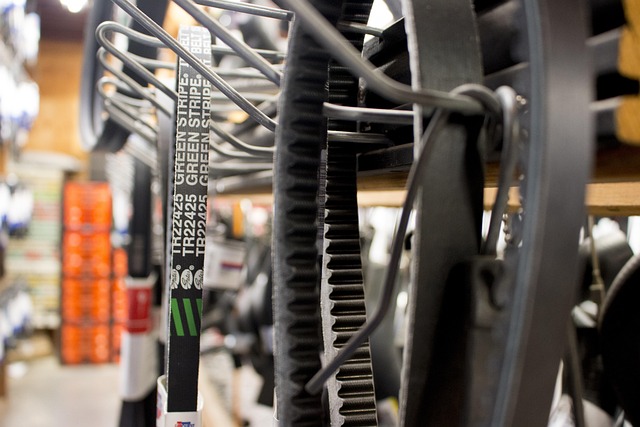
A well-timed installation of a timing belt is paramount to engine longevity and performance. This expert guide provides an in-depth look at ensuring seamless timing belt replacement, focusing on both precision and long-term durability. The process involves careful selection of components, meticulous preparation, and adherence to best practices.
Selecting the right Timing Belt Replacement naturally starts with understanding your vehicle’s specific requirements. Consult your manufacturer’s guidelines for recommended parts and ensure compatibility. High-quality kits, often including the belt, pulleys, and tensioners, are ideal for a one-stop solution. Look for reputable brands offering both performance and reliability guarantees. A warranty for timing belt replacement provides added peace of mind, assuring against potential future failures within the covered period.
Prior to installation, implement prevention tips for timing belt failure. Regular inspection and maintenance can identify wear and tear early on. Check for any signs of damage, such as cracks or slippage, and address them promptly. Efficient timing belt replacement involves preparing the engine bay thoroughly. Remove all debris and ensure adequate space for maneuver. A well-organized kit, purchased 1-3 times based on your vehicle’s needs, streamlines the process, minimizing downtime and potential errors.
Consider a comprehensive timing belt kit that includes all necessary components, simplifying the replacement process. Remember, precise timing is crucial during installation. Use alignment tools to ensure the belt tracks correctly on the pulleys. Double-check tensioner settings post-installation for optimal performance. Regularly replacing your timing belt according to manufacturer recommendations, supported by expert advice and high-quality parts, is the key to maintaining a reliable engine system.
By understanding the critical role of timing belts in engine health and following expert advice on selection and installation, you can ensure optimal performance and longevity for your vehicle. Key takeaways include recognizing signs indicating replacement need, such as unusual noises or loss of power, and selecting the right timing belt for your engine through careful consideration of factors like vehicle age and operating conditions. Expert guidance emphasizes a systematic approach to installation, ensuring seamless processes and minimal disruption to your vehicle’s operation. These insights empower you to make informed decisions, Select Timing Belt Replacement naturally, and maintain your engine’s health effectively.